
213 lines
7.6 KiB
Markdown
213 lines
7.6 KiB
Markdown
Synaptic [](https://travis-ci.org/cazala/synaptic) [](https://synaptic-slack-ugiqacqvmd.now.sh/)
|
|
========
|
|
|
|
## Important: [Synaptic 2.x](https://github.com/cazala/synaptic/issues/140) is in stage of discussion now! Feel free to participate
|
|
|
|
Synaptic is a javascript neural network library for **node.js** and the **browser**, its generalized algorithm is architecture-free, so you can build and train basically any type of first order or even [second order neural network](http://en.wikipedia.org/wiki/Recurrent_neural_network#Second_Order_Recurrent_Neural_Network) architectures.
|
|
|
|
This library includes a few built-in architectures like [multilayer perceptrons](http://en.wikipedia.org/wiki/Multilayer_perceptron), [multilayer long-short term memory](http://en.wikipedia.org/wiki/Long_short_term_memory) networks (LSTM), [liquid state machines](http://en.wikipedia.org/wiki/Liquid_state_machine) or [Hopfield](http://en.wikipedia.org/wiki/Hopfield_network) networks, and a trainer capable of training any given network, which includes built-in training tasks/tests like solving an XOR, completing a Distracted Sequence Recall task or an [Embedded Reber Grammar](http://www.willamette.edu/~gorr/classes/cs449/reber.html) test, so you can easily test and compare the performance of different architectures.
|
|
|
|
|
|
The algorithm implemented by this library has been taken from Derek D. Monner's paper:
|
|
|
|
[A generalized LSTM-like training algorithm for second-order recurrent neural networks](http://www.overcomplete.net/papers/nn2012.pdf)
|
|
|
|
|
|
There are references to the equations in that paper commented through the source code.
|
|
|
|
#### Introduction
|
|
|
|
If you have no prior knowledge about Neural Networks, you should start by [reading this guide](https://github.com/cazala/synaptic/wiki/Neural-Networks-101).
|
|
|
|
|
|
If you want a practical example on how to feed data to a neural network, then take a look at [this article](https://github.com/cazala/synaptic/wiki/Normalization-101).
|
|
|
|
You may also want to take a look at [this article](http://blog.webkid.io/neural-networks-in-javascript/).
|
|
|
|
#### Demos
|
|
|
|
- [Solve an XOR](http://caza.la/synaptic/#/xor)
|
|
- [Discrete Sequence Recall Task](http://caza.la/synaptic/#/dsr)
|
|
- [Learn Image Filters](http://caza.la/synaptic/#/image-filters)
|
|
- [Paint an Image](http://caza.la/synaptic/#/paint-an-image)
|
|
- [Self Organizing Map](http://caza.la/synaptic/#/self-organizing-map)
|
|
- [Read from Wikipedia](http://caza.la/synaptic/#/wikipedia)
|
|
- [Creating a Simple Neural Network (Video)](https://scrimba.com/casts/cast-1980)
|
|
|
|
The source code of these demos can be found in [this branch](https://github.com/cazala/synaptic/tree/gh-pages/scripts).
|
|
|
|
#### Getting started
|
|
|
|
- [Neurons](https://github.com/cazala/synaptic/wiki/Neurons/)
|
|
- [Layers](https://github.com/cazala/synaptic/wiki/Layers/)
|
|
- [Networks](https://github.com/cazala/synaptic/wiki/Networks/)
|
|
- [Trainer](https://github.com/cazala/synaptic/wiki/Trainer/)
|
|
- [Architect](https://github.com/cazala/synaptic/wiki/Architect/)
|
|
|
|
To try out the examples, checkout the [gh-pages](https://github.com/cazala/synaptic/tree/gh-pages) branch.
|
|
|
|
`git checkout gh-pages`
|
|
|
|
|
|
## Overview
|
|
|
|
### Installation
|
|
|
|
##### In node
|
|
|
|
You can install synaptic with [npm](http://npmjs.org):
|
|
|
|
```cmd
|
|
npm install synaptic --save
|
|
```
|
|
|
|
##### In the browser
|
|
|
|
You can install synaptic with [bower](http://bower.io):
|
|
|
|
```cmd
|
|
bower install synaptic
|
|
```
|
|
|
|
Or you can simply use the CDN link, kindly provided by [CDNjs](https://cdnjs.com/)
|
|
|
|
```html
|
|
<script src="https://cdnjs.cloudflare.com/ajax/libs/synaptic/1.1.4/synaptic.js"></script>
|
|
```
|
|
|
|
### Usage
|
|
|
|
```javascript
|
|
var synaptic = require('synaptic'); // this line is not needed in the browser
|
|
var Neuron = synaptic.Neuron,
|
|
Layer = synaptic.Layer,
|
|
Network = synaptic.Network,
|
|
Trainer = synaptic.Trainer,
|
|
Architect = synaptic.Architect;
|
|
```
|
|
|
|
Now you can start to create networks, train them, or use built-in networks from the [Architect](https://github.com/cazala/synaptic/wiki/Architect/).
|
|
|
|
### Examples
|
|
|
|
##### Perceptron
|
|
|
|
This is how you can create a simple **perceptron**:
|
|
|
|
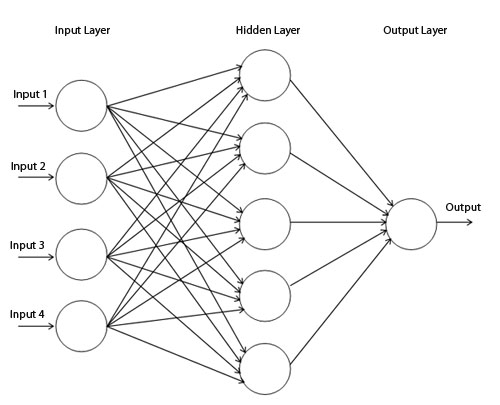.
|
|
|
|
```javascript
|
|
function Perceptron(input, hidden, output)
|
|
{
|
|
// create the layers
|
|
var inputLayer = new Layer(input);
|
|
var hiddenLayer = new Layer(hidden);
|
|
var outputLayer = new Layer(output);
|
|
|
|
// connect the layers
|
|
inputLayer.project(hiddenLayer);
|
|
hiddenLayer.project(outputLayer);
|
|
|
|
// set the layers
|
|
this.set({
|
|
input: inputLayer,
|
|
hidden: [hiddenLayer],
|
|
output: outputLayer
|
|
});
|
|
}
|
|
|
|
// extend the prototype chain
|
|
Perceptron.prototype = new Network();
|
|
Perceptron.prototype.constructor = Perceptron;
|
|
```
|
|
|
|
Now you can test your new network by creating a trainer and teaching the perceptron to learn an XOR
|
|
|
|
```javascript
|
|
var myPerceptron = new Perceptron(2,3,1);
|
|
var myTrainer = new Trainer(myPerceptron);
|
|
|
|
myTrainer.XOR(); // { error: 0.004998819355993572, iterations: 21871, time: 356 }
|
|
|
|
myPerceptron.activate([0,0]); // 0.0268581547421616
|
|
myPerceptron.activate([1,0]); // 0.9829673642853368
|
|
myPerceptron.activate([0,1]); // 0.9831714267395621
|
|
myPerceptron.activate([1,1]); // 0.02128894618097928
|
|
```
|
|
|
|
##### Long Short-Term Memory
|
|
|
|
This is how you can create a simple **long short-term memory** network with input gate, forget gate, output gate, and peephole connections:
|
|
|
|

|
|
|
|
```javascript
|
|
function LSTM(input, blocks, output)
|
|
{
|
|
// create the layers
|
|
var inputLayer = new Layer(input);
|
|
var inputGate = new Layer(blocks);
|
|
var forgetGate = new Layer(blocks);
|
|
var memoryCell = new Layer(blocks);
|
|
var outputGate = new Layer(blocks);
|
|
var outputLayer = new Layer(output);
|
|
|
|
// connections from input layer
|
|
var input = inputLayer.project(memoryCell);
|
|
inputLayer.project(inputGate);
|
|
inputLayer.project(forgetGate);
|
|
inputLayer.project(outputGate);
|
|
|
|
// connections from memory cell
|
|
var output = memoryCell.project(outputLayer);
|
|
|
|
// self-connection
|
|
var self = memoryCell.project(memoryCell);
|
|
|
|
// peepholes
|
|
memoryCell.project(inputGate);
|
|
memoryCell.project(forgetGate);
|
|
memoryCell.project(outputGate);
|
|
|
|
// gates
|
|
inputGate.gate(input, Layer.gateType.INPUT);
|
|
forgetGate.gate(self, Layer.gateType.ONE_TO_ONE);
|
|
outputGate.gate(output, Layer.gateType.OUTPUT);
|
|
|
|
// input to output direct connection
|
|
inputLayer.project(outputLayer);
|
|
|
|
// set the layers of the neural network
|
|
this.set({
|
|
input: inputLayer,
|
|
hidden: [inputGate, forgetGate, memoryCell, outputGate],
|
|
output: outputLayer
|
|
});
|
|
}
|
|
|
|
// extend the prototype chain
|
|
LSTM.prototype = new Network();
|
|
LSTM.prototype.constructor = LSTM;
|
|
```
|
|
|
|
These are examples for explanatory purposes, the [Architect](https://github.com/cazala/synaptic/wiki/Architect/) already includes Multilayer Perceptrons and
|
|
Multilayer LSTM network architectures.
|
|
|
|
## Contribute
|
|
|
|
**Synaptic** is an Open Source project that started in Buenos Aires, Argentina. Anybody in the world is welcome to contribute to the development of the project.
|
|
|
|
If you want to contribute feel free to send PR's, just make sure to run **npm run test** and **npm run build** before submitting it. This way you'll run all the test specs and build the web distribution files.
|
|
|
|
## Support
|
|
|
|
If you like this project and you want to show your support, you can buy me a beer with [magic internet money](https://i.imgur.com/mScSiOo.jpg):
|
|
|
|
```
|
|
BTC: 16ePagGBbHfm2d6esjMXcUBTNgqpnLWNeK
|
|
ETH: 0xa423bfe9db2dc125dd3b56f215e09658491cc556
|
|
XMR: 46WNbmwXpYxiBpkbHjAgjC65cyzAxtaaBQjcGpAZquhBKw2r8NtPQniEgMJcwFMCZzSBrEJtmPsTR54MoGBDbjTi2W1XmgM
|
|
```
|
|
|
|
<3
|